
Επιτυχία στον Πραγματικό Κόσμο
Αποδεδειγμένη στο πεδίο. Μετρημένη σε πραγματικές επιχειρήσεις.
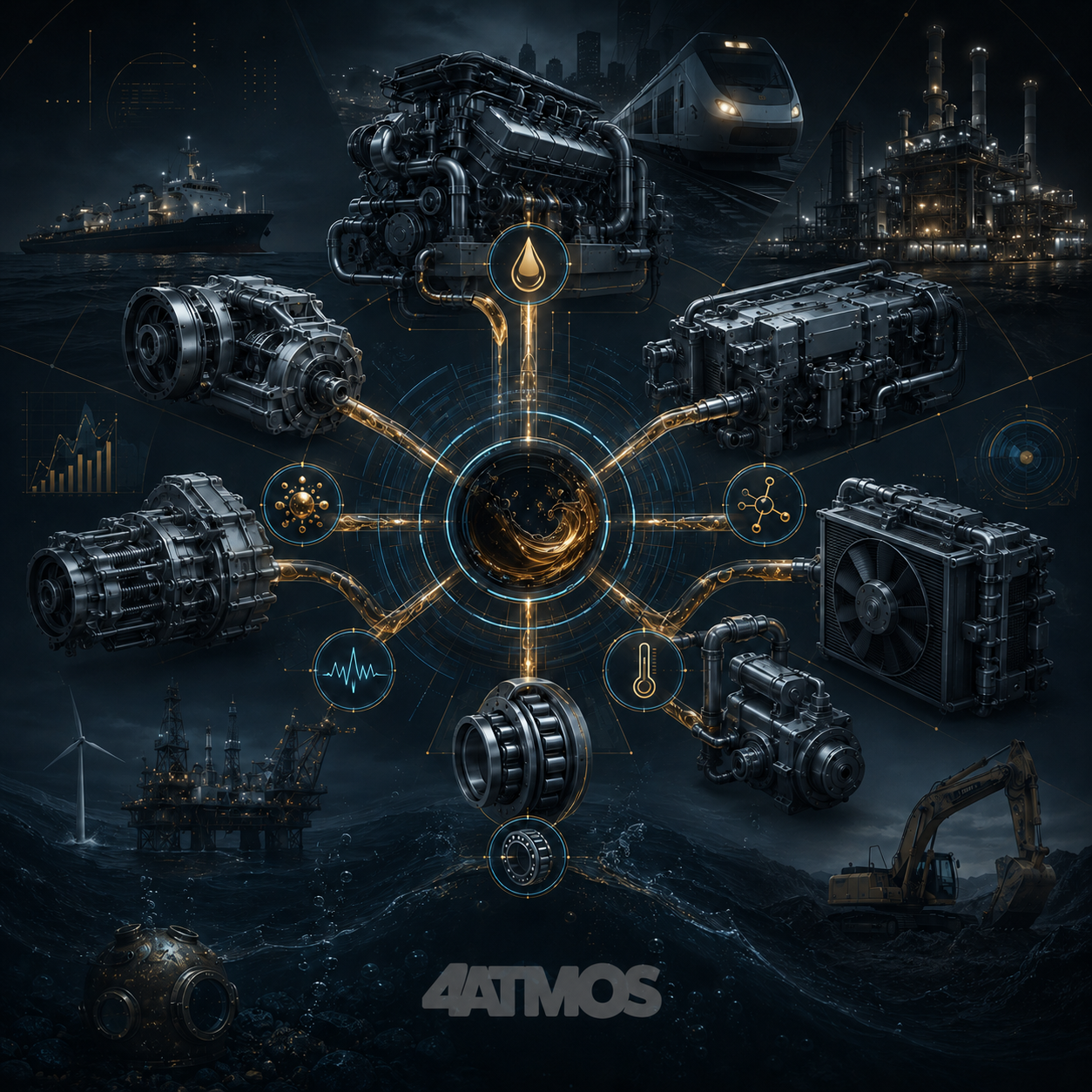
Η 4Atmos δεν περιορίζεται από κλάδο. Βασίζεται στα μηχανικά εξαρτήματα στα οποία βασίζεται κάθε βιομηχανία με ένταση περιουσιακών στοιχείων — κινητήρες, κιβώτια ταχυτήτων, συστήματα μετάδοσης κίνησης, υδραυλικά συστήματα, συστήματα ψύξης και άλλος εξοπλισμός λιπαινόμενος με ρευστά. Τα αποδεδειγμένα αποτελέσματά μας στους σιδηροδρόμους και τις δημόσιες συγκοινωνίες αποδεικνύουν το μοντέλο: όταν τα ρευστά φέρουν πρώιμες ενδείξεις φθοράς, μόλυνσης ή κινδύνου βλάβης, η 4Atmos μετατρέπει αυτές τις ενδείξεις σε πληροφορίες συντήρησης που μπορούν να δράσουν.
Προβεβλημένες Ιστορίες
Ανεξάρτητη κάλυψη και αποτελέσματα πελατών που δείχνουν πώς το 4Atmos βελτιώνει την αξιοπιστία, οξύνει τις αποφάσεις συντήρησης και βοηθά στην αποφυγή βλαβών εν λειτουργία.
Πώς το MBTA χρησιμοποιεί την Τεχνητή Νοημοσύνη για να κάνει τα πράγματα ασφαλέστερα και πιο ομαλά
Κάλυψη από το NBC Boston για το πώς η MBTA χρησιμοποιεί αναλυτικά δεδομένα ροής και τεχνητή νοημοσύνη για την έγκαιρη ανίχνευση αναδυόμενων προβλημάτων και τη βελτίωση της αξιοπιστίας, μέσω του 4Atmos.
Το Μέλλον της Εργασίας Τώρα: Ανάλυση Πετρελαίου Ντίζελ στην MBTA
Κάλυψη του πώς η προηγμένη ανάλυση λαδιού και η πρακτική που βασίζεται σε δεδομένα υποστηρίζουν την έγκαιρη ανίχνευση, τον καλύτερο σχεδιασμό και την ισχυρότερη απόδοση του στόλου.
Ρευστοδυναμική
Βιομηχανικές αναφορές σχετικά με το πώς η ανάλυση ρευστών και η παρακολούθηση ακριβείας βελτιώνουν την απόδοση, τη διαθεσιμότητα και την αποτελεσματικότητα συντήρησης των μηχανών έλξης.
Ένα μακροχρόνιο πρόγραμμα που βασίζεται σε μετρήσιμα αποτελέσματα.
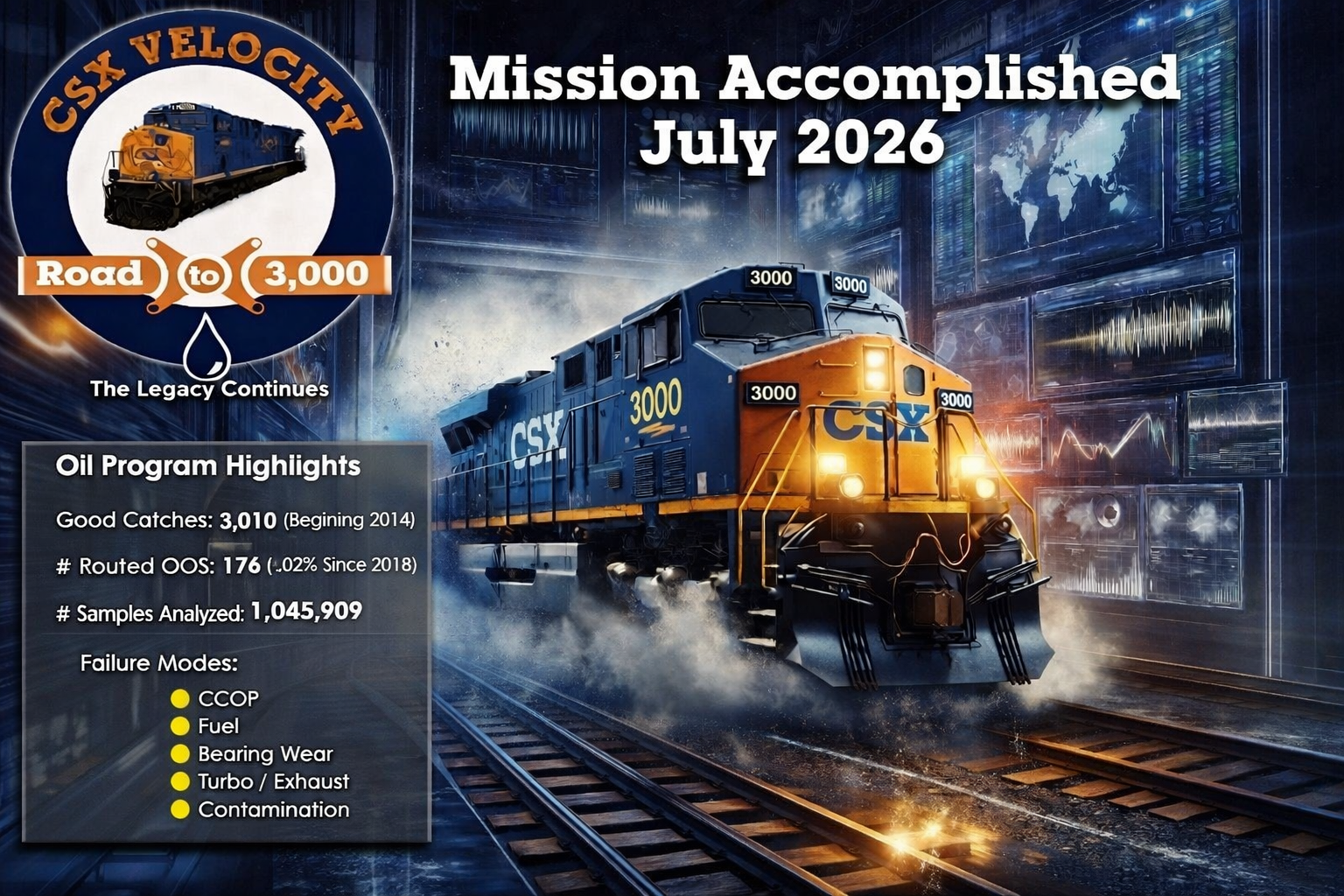
Από το 2014, η 4Atmos υποστηρίζει την Ανάλυση Κινητήρων Ατμομηχανών Σιδηροδρόμων CSX, εντοπίζοντας νωρίτερα αναδυόμενες συνθήκες βλάβης και βοηθώντας τις ομάδες να επέμβουν πριν γίνουν συμβάντα γραμμής κυκλοφορίας.
Το πρόγραμμα έχει συμβάλει σε περισσότερες από 3.000 αναγνωρισμένες καλές εντοπισμούς, επιτυγχάνοντας μετρήσιμη απόδοση επένδυσης σε μόλις 31 ημέρες και διατηρώντας μακροπρόθεσμη αξία σε όλο τον στόλο.
3,010
Αναγνωρίστηκαν καλές συλλήψεις που τεκμηριώθηκαν μέσω του προγράμματος.
31 Ημέρες
Αποδεδειγμένη αποτίμηση επένδυσης με υπολογισμό της απόδοσης από την υλοποίηση.
Από το 2014
Συνεχής υποστήριξη για την ανάλυση των κύριων κινητήρων της CSX.
Κάθε καλή ανακάλυψη αντιπροσωπεύει μια συνθήκη που εντοπίζεται αρκετά νωρίς ώστε να δίνει στις ομάδες χρόνο να προγραμματίσουν τη συντήρηση, να μειώσουν τον κίνδυνο και να αποφύγουν διαταραχές πριν συμβεί η βλάβη.
Προσθέτοντας βάθος στην ευφυΐα της υγείας των περιουσιακών στοιχείων.
Το 4Atmos βασίζεται στην ανάλυση πετρελαίου και υγρών, προσθέτοντας αναγνώριση προτύπων, επιχειρησιακό πλαίσιο, ιστορικό συντήρησης και προγνωστικές οδηγίες που βοηθούν τις ομάδες να κατανοήσουν καλύτερα την κατάσταση του εξοπλισμού και να δράσουν νωρίτερα.
Η 4Atmos προσθέτει βάθος στην ανάλυση πετρελαίου και ρευστών, μετατρέποντας τα δεδομένα κατάστασης σε πολύτιμη γνώση για την υγεία του εξοπλισμού.
Το αποτέλεσμα είναι μια σαφέστερη κατανόηση του τι αλλάζει μέσα στον εξοπλισμό, πώς αυτή η αλλαγή ταιριάζει στην ιστορία συντήρησης και λειτουργίας του περιουσιακού στοιχείου, και ποια ενέργεια έχει το περισσότερο νόημα στη συνέχεια.
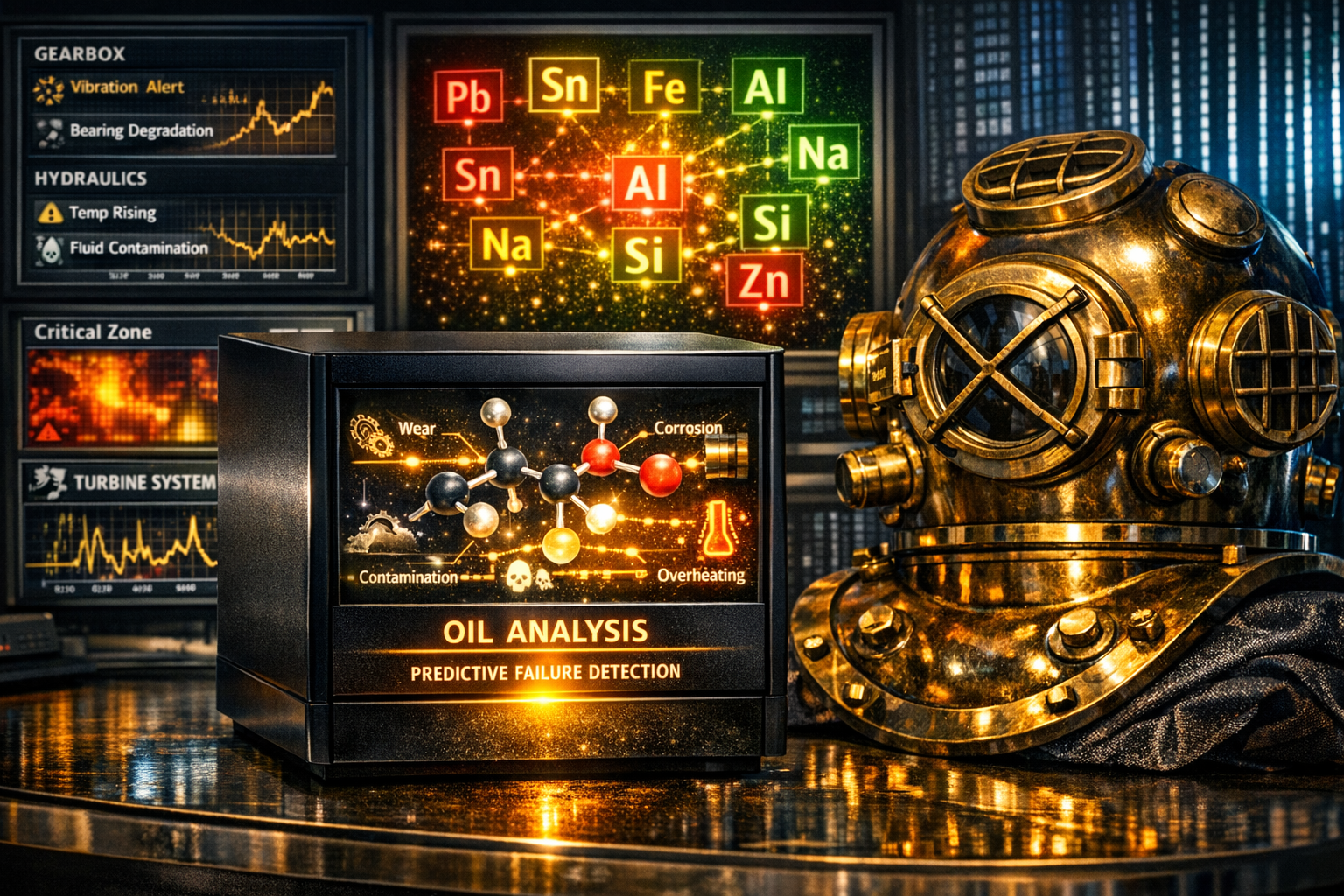
Μετατρέποντας δεδομένα κατάστασης σε επιχειρησιακά χρήσιμη γνώση.
Η ανάλυση λιπαντικού και υγρών δημιουργεί μια σημαντική βάση. Η 4Atmos προσθέτει άλλη μια διάσταση, βοηθώντας τους οργανισμούς να βλέπουν περισσότερα από το απομονωμένο αποτέλεσμα μιας μεμονωμένης δειγματοληψίας.
Αναγνώριση Προτύπων
Δείτε αλλαγές στις συνθήκες, επαναλαμβανόμενα σήματα και μοτίβα αλλαγής στο χρόνο σε μεγάλους πληθυσμούς δειγμάτων.
Λειτουργικό Πλαίσιο
Κατανοήστε τα αποτελέσματα υπό το πρίσμα του κύκλου λειτουργίας, του περιβάλλοντος, της κατηγορίας περιουσιακών στοιχείων, της διαμόρφωσης και της πραγματικότητας λειτουργίας.
Συσχέτιση συντήρησης
Συνδέστε τα ευρήματα με το ιστορικό συντήρησης και τις δραστηριότητες εργασίας για να κατανοήσετε καλύτερα τι μπορεί να είναι επαναλαμβανόμενο, μεταβαλλόμενο ή ανεπίλυτο.
Κανονιστική καθοδήγηση
Μετατρέψτε το σήμα σε πρακτικά επόμενα βήματα που υποστηρίζουν τον προγραμματισμό της συντήρησης, τη στρατηγική αξιοπιστίας και τον χρονισμό των παρεμβάσεων.
Περισσότερο από ένα αποτέλεσμα. Μια πληρέστερη εικόνα της υγείας του εξοπλισμού.
Το 4Atmos έχει σχεδιαστεί για να βοηθήσει τους πελάτες να μεταβούν από την ατομική ερμηνεία δειγμάτων σε μια πλουσιότερη κατανόηση του τι σημαίνουν τα δεδομένα κατάστασης για το στοιχείο, τον στόλο και τη λειτουργία.
Τα δεδομένα κατάστασης μπαίνουν στο προσκήνιο
Τα δείγματα υγρών, οι ιστορικές βάσεις δεδομένων και τα σχετικά αρχεία λειτουργίας αποτελούν το σημείο εκκίνησης.
Εντοπίζονται μοτίβα
Τα σήματα αναλύονται σε βάθος χρόνου, σε παρόμοια περιουσιακά στοιχεία και σε ολόκληρο τον πληθυσμό του δείγματος.
Ο εξοπλισμός πλαισιώνεται
Οι συνθήκες λειτουργίας, η κατηγορία περιουσιακών στοιχείων, το ιστορικό συντήρησης και η αξιολόγηση από τη SME προσδίδουν νόημα στο αποτέλεσμα.
Η καθοδήγηση γίνεται εφαρμόσιμη
Το αποτέλεσμα είναι μια σαφέστερη βάση για επιθεώρηση, παρακολούθηση, παρέμβαση, κλιμάκωση ή συνεχή λειτουργία.
| Ορατότητα | Γιατί έχει σημασία |
|---|---|
| Αλλαγή με την πάροδο του χρόνου | Δείχνει εάν μια κατάσταση είναι σταθερή, αναπτυσσόμενη, επιταχυνόμενη ή επαναλαμβανόμενη. |
| Συσχέτιση συντήρησης | Συνδέει τα σήματα ροής με τις ολοκληρωμένες εργασίες, τις επαναλαμβανόμενες επισκευές ή τα ανεπίλυτα ζητήματα. |
| Η οπτική γωνία του στόλου | Βοηθά στον προσδιορισμό εάν ένα ζήτημα είναι μεμονωμένο ή αποτελεί μέρος ενός ευρύτερου προτύπου εξοπλισμού. |
| Συνάφεια απόφασης | Φέρνει τα αποτελέσματα πιο κοντά στον προγραμματισμό, την ιεράρχηση προτεραιοτήτων και τη λήψη επιχειρησιακών μέτρων. |
Σχεδιασμένο για να ενσωματώνεται στις ροές εργασίας στις οποίες ήδη βασίζεστε.
Το 4Atmos στοχεύει στην ενίσχυση των υπαρχόντων προγραμμάτων ανάλυσης πετρελαίου και υγρών, όχι στην επιβολή μιας ανατρεπτικής επανεκκίνησης. Το μοντέλο είναι δομημένο για να λειτουργεί παράλληλα με τις τρέχουσες εργασιακές σχέσεις των εργαστηρίων, τις βάσεις δεδομένων ιστορικών δειγμάτων και τις ροές εργασίας διαχείρισης περιουσιακών στοιχείων.
Ανεξάρτητο από το Εργαστήριο εξ Ορισμού
Το 4Atmos μπορεί να λαμβάνει δεδομένα δειγμάτων πετρελαίου από εργαστήρια του χώρου, εργαστήρια τρίτων και ιστορικές βάσεις δεδομένων που χρησιμοποιούνται ήδη στον οργανισμό.
Εισαγωγές Ιστορικού Εντολών Εργασίας
Το ιστορικό συντήρησης μπορεί να εισαχθεί από συστήματα διαχείρισης περιουσιακών στοιχείων όπως το Maximo, το SAP, το Hexagon και το Trapeze για τη σύνδεση των ευρημάτων με την πραγματική δραστηριότητα συντήρησης.
Επιχειρησιακή Συνέχεια
Η αξία προκύπτει από την προσθήκη πλαισίου και υποστήριξης αποφάσεων στα δεδομένα που ήδη έχετε, βοηθώντας τις ομάδες να αντλήσουν περισσότερα από τις υπάρχουσες ροές εργασιών και τις αναφορές.
Μια καθαρότερη εικόνα της κατάστασης του εξοπλισμού οδηγεί σε καλύτερες αποφάσεις.
Όταν το 4Atmos είναι σε λειτουργία, η αξία δεν είναι απλώς περισσότερη πληροφορία. Η αξία είναι μια ισχυρότερη κατανόηση του πού συσσωρεύεται ο κίνδυνος, τι χρήζει προσοχής πρώτα και πού η παρέμβαση μπορεί να δημιουργήσει τη μεγαλύτερη λειτουργική αξία.
Εκεί που ο κίνδυνος χτίζεται
Εντοπίστε νωρίτερα τις αναπτυσσόμενες συνθήκες και κατανοήστε πώς αλλάζουν με την πάροδο του χρόνου και σε ολόκληρο τον στόλο.
Ποιοι πόροι χρειάζονται προσοχή πρώτα
Φέρτε περισσότερη δομή στην ιεράρχηση ώστε οι ομάδες συντήρησης και αξιοπιστίας να εστιάσουν τις προσπάθειες εκεί που έχουν τη μεγαλύτερη σημασία.
Ποια δραστηριότητα συντήρησης μπορεί να είναι επαναλαμβανόμενη
Συσχέτιση των ευρημάτων με το ιστορικό των εντολών εργασίας για να κατανοηθεί εάν ένα πρόβλημα έχει επιλυθεί, έχει επαναληφθεί ή έχει αναβληθεί.
Όπου η δράση μπορεί να αποτρέψει ένα πιο ακριβό γεγονός
Δημιουργήστε περισσότερο χρόνο και μια ισχυρότερη βάση για προγραμματισμένη παρέμβαση προτού μια κατάσταση οδηγήσει σε διακοπή λειτουργίας, επίδραση στην υπηρεσία ή βλάβη.
Δώστε περισσότερο νόημα στα δεδομένα που ήδη έχετε.
Το 4Atmos βοηθά τους οργανισμούς να αντλήσουν μεγαλύτερη αξία από την ανάλυση πετρελαίου και υγρών, προσθέτοντας το πλαίσιο, την ερμηνεία και την υποστήριξη αποφάσεων που απαιτούνται για την καλύτερη κατανόηση της κατάστασης του εξοπλισμού και τη λήψη αποφάσεων με σιγουριά.