Federal Compliance Support.
Evidence Behind Every Decision.
For covered operators, equipment maintenance, required inspections, safety oversight, and recordkeeping are regulatory responsibilities. 4Atmos connects equipment-condition intelligence to the evidence that supports informed maintenance decisions and review readiness.
Compliance Obligations.
Clearer Maintenance Evidence.
Regulations establish specific duties for covered fleets. 4Atmos supplies condition intelligence that helps operators identify equipment concerns, prioritize review, and preserve a traceable record of their response.

Marine & Towing
USCG · 46 CFR Subchapter MSupport required machinery maintenance and functional-testing records with engine, gearbox, and hydraulic condition trends.
Explore marine
Freight & Commuter Rail
FRA · 49 CFR Parts 229 / 238Support FRA locomotive inspection and defect follow-up with traceable engine and component condition history.
Explore FRA rail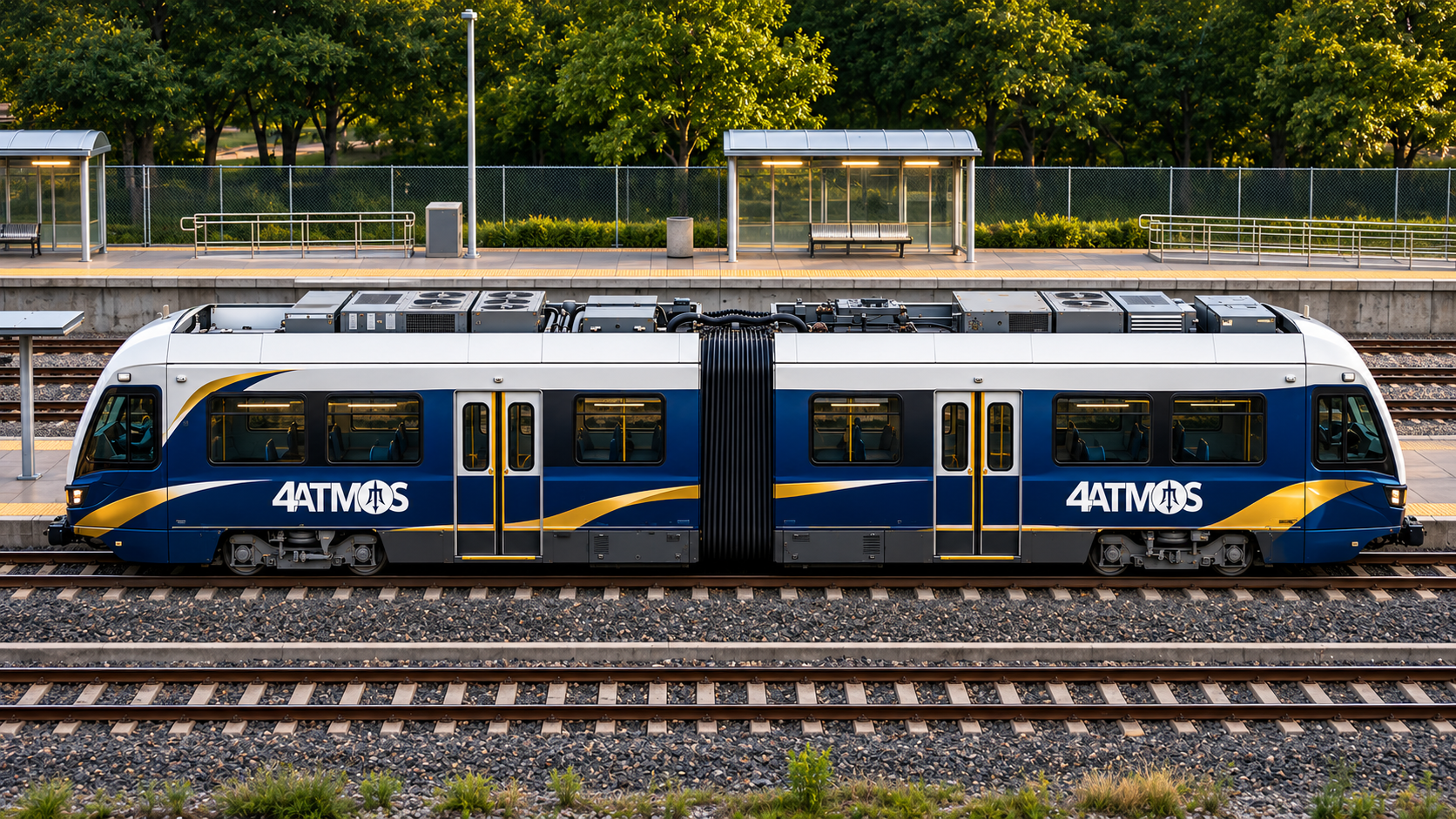
Light Rail, Subways & Metros
FTA · 49 CFR Parts 625 / 671 / 673 / 674Support required asset management, safety-plan records, and state safety oversight for qualifying fixed-guideway rail transit.
Explore FTA transit
Stationary Engines
EPA · 40 CFR Parts 60 / 63Document oil analysis where it is an allowed option for eligible stationary engines.
Explore EPA
Commercial Motor Fleets
FMCSA · 49 CFR Part 396Support required systematic vehicle maintenance and periodic inspection programs with component health evidence.
Explore fleetsRequired readiness. Documented accountability.
Regulated operators must meet the duties that apply to their equipment and operations. Condition monitoring helps support those duties—it does not replace required inspections or determinations.
Keep equipment fit for service
Covered operators must maintain specified machinery and vehicles in the condition required by their governing rules.
Perform prescribed tests and inspections
Applicable regulations prescribe functional tests, inspection frequencies, and how results or deficiencies must be recorded.
Retain and produce supporting records
Record retention and regulator access are expressly required in many regimes, including applicable marine TSMS and transit safety programs.
Federal compliance support for urban rail systems.
Covered light-rail and subway systems must meet applicable FTA asset-management, agency safety-plan, documentation, and State Safety Oversight obligations. These requirements apply across rail-transit modes, including heavy rail and metros.
4Atmos connects component-specific fluid findings, asset histories, maintenance priorities, and follow-up evidence to the operator’s required inspection and safety-management programs.
Required transit asset management plans and condition-informed prioritization.
Hazard identification, risk assessment, and mitigation processes.
Safety-plan documents available to authorized reviewers and state oversight.
The operator retains responsibility for required inspections, approved mitigation, and return-to-service decisions.

Photo: 4300streetcar / Wikimedia Commons · CC BY 4.0 · Cropped to fit layout
Bring subway fleet condition into the safety evidence chain.
Where FTA and State Safety Oversight jurisdiction apply, subway operators maintain mandatory asset-management and public transportation safety programs. Evidence from lubricated traction-drive gearboxes, compressors, hydraulics, and other monitored assemblies can support condition assessments, hazard reviews, and corrective-action tracking.
Roadway-worker protection requires its own manuals, qualifications, and on-track safety procedures. Oil analysis does not fulfill those requirements. FRA rules can apply to separate railroad operations; jurisdiction must be confirmed for each mode.
Condition Intelligence.
Connected Evidence.
4Atmos helps operators connect fluid-condition analytics, asset histories, maintenance context, and review-ready reporting so teams can move from early warning to documented action.
oil analysisActionable fluid-condition intelligence
insightsPrioritized maintenance guidance
& audit trailsStructured evidence and traceability
accessCustomer-authorized evidence views
| Date | Asset | Evidence | Status |
|---|---|---|---|
| Nov 02 | River Unit 24 | Oil analysis review | Tersedia |
| Nov 01 | Loco 3012 | Inspection note | Tersedia |
| Oct 30 | LRV 116 | Work order opened | Tersedia |
| Oct 29 | Standby Gen 440 | Follow-up sample | Scheduled |
Representative screen showing how sample findings, maintenance actions, and follow-up records can be organized in one place.
Five layers of usable evidence.
Each layer connects condition intelligence to the people, decisions, and records that keep equipment moving.
Condition evidence
Oil and coolant results, abnormal wear, contamination, and component trends—interpreted in the context of actual equipment history.
Asset traceability
Preserve component identity, sample provenance, serial references, and historical continuity.
Alert review context
Explain when a finding emerged, which readings support it, and what action is warranted.
Inspection focus
Prioritize equipment for qualified personnel to inspect, test, or evaluate further.
Documentation support
Bring findings, work orders, follow-up sampling, and verification into a reviewable record.
Analytical findings support maintenance decisions; they do not replace required inspections, repairs, or operator signoffs.
From required duty to documented action.
Each stage supports the response to a regulatory maintenance obligation. Fluid analysis informs decisions; authorized personnel still perform and document any required inspection, repair, and return-to-service determination.
Scroll horizontally to see all five stages
Traceable Asset Intelligence
Laboratory findings connected to the correct equipment, component identity, operating hours, and relevant historical trends.
A Reliable Starting Point
Establishes a traceable foundation for recognizing deterioration, prioritizing maintenance, and explaining subsequent decisions.
Separate what is operating from what is awaiting action.
4Atmos helps operators organize asset condition, maintenance history, and follow-up evidence so teams can distinguish active service units from those under review or in the shop.
Routine gear sample reviewed with elevated iron trend noted, inspection completed during planned service, and follow-up sample scheduled.
Copper and iron increased across two intervals, prompting a qualified mechanical inspection and documented maintenance review.
Ferrous debris and wear trend support a shop hold while gearbox repair and return-to-service verification are completed.
A rising ferrous-particle trend prompted an operator maintenance assessment and a planned gearbox inspection before the next service cycle.
Representative examples show how operating status can be presented beside diagnostic findings, maintenance records, and follow-up evidence.
What the regulations require. How evidence supports it.
Select a regulated sector to see required duties, equipment-condition evidence, and the official records the operator must maintain.
Select a sector to update the requirements and evidence view. Official regulatory text is linked in each panel.
USCG — Towing vessels | 46 CFR Subchapter M
One asset. One reviewable trail.
Trace the original sample, the condition assessment, the maintenance response, and the follow-up verification in a single organized view.
RIVER-024 · Starboard reduction gear
In service · inland towing vessel propulsion train
Follow the evidence
Representative record structure shown above. Official inspections, work orders, retention schedules, and access permissions remain under customer control.
Make Federal Compliance Support
Part of Your Maintenance Strategy
Regulatory readiness requires maintained equipment, completed inspections, and defensible documentation. Put 4Atmos condition intelligence to work supporting the maintenance evidence your operation needs.
Request a discussionThis page describes compliance-support services and representative workflows, not certification or legal advice. Applicability varies by equipment and operating regime. Inspections, operating decisions, official records, and required retention remain the operator’s responsibility. Example assets and record paths shown on this page are representative illustrations for presentation and planning.
4Atmos Regulatory Readiness. Condition intelligence can strengthen compliance programs, but it does not replace legally required inspections, qualified-person determinations, certifications, or agency authority. Applicability of cited regulations depends on asset type, configuration, and operation.