
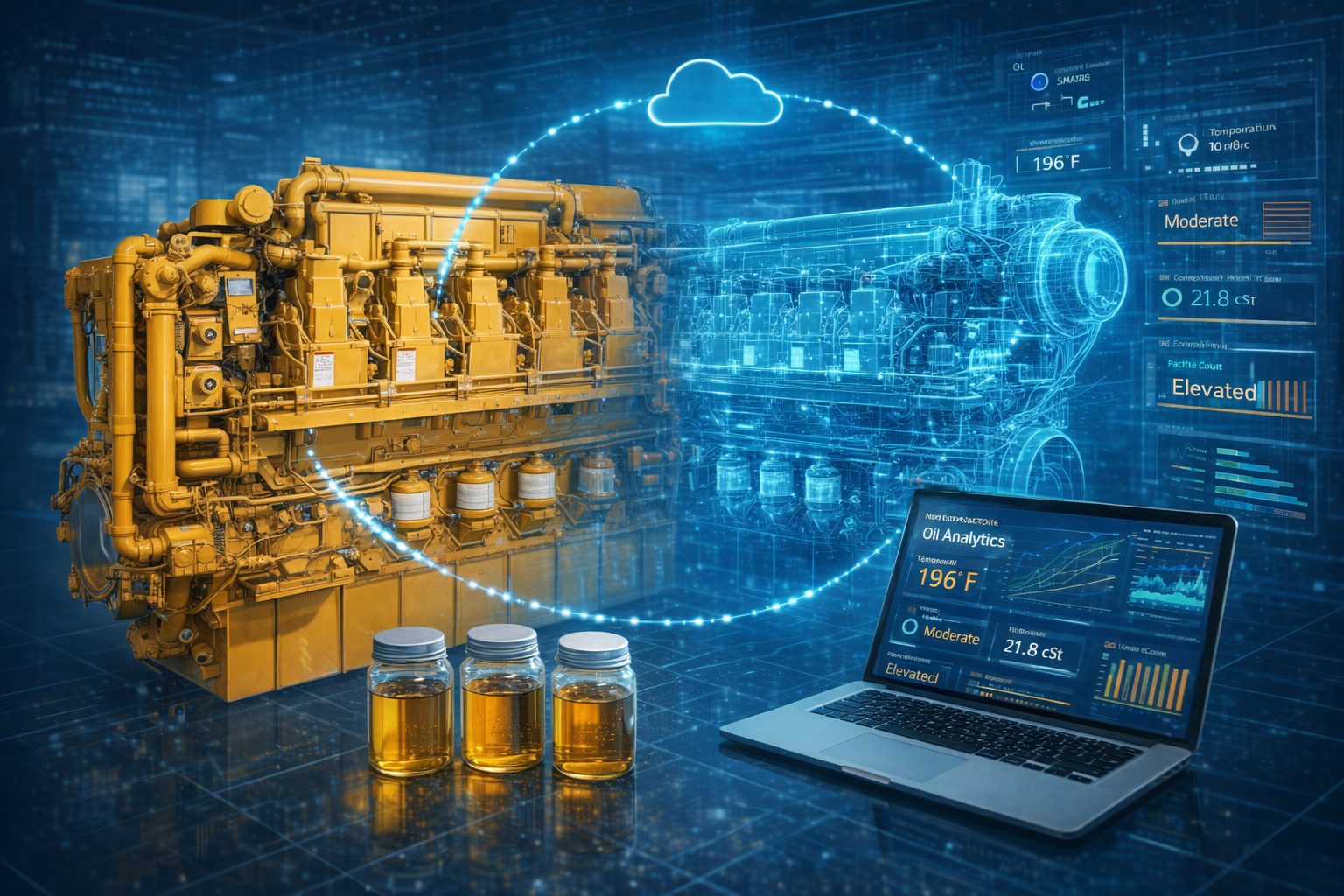
Digital Twins: Turning Asset Data into Actionable Intelligence
A digital twin is no longer just a technical model or a visualization tool. In modern industrial environments, it has become a living, learning representation of a physical asset—continuously updated by operational data, informed by artificial intelligence, and capable of helping experts anticipate issues, evaluate scenarios, and make higher-confidence decisions.
What a Digital Twin Really Is
At its core, a digital twin is a high-fidelity digital counterpart of a real-world asset, process, or operating environment. Unlike a static model, it is designed to remain synchronized with the physical system it represents. That synchronization allows the twin to reflect real conditions, respond to changing inputs, and provide a continuously updated view of performance, health, and risk.
Three elements define a true digital twin:
- A virtual model of the physical asset, process, or environment.
- Live or regularly refreshed data streams from sensors, logs, and operational systems.
- AI and machine learning models that identify patterns, project future conditions, and support decision-making.
When these elements work together, the result is not just visibility. It is an operationally meaningful system that mirrors reality closely enough to support intervention before problems become failures.
How AI Changes the Role of the Digital Twin
Traditional digital twins began as simulation and engineering tools. AI has expanded them into intelligent, adaptive systems that can do far more than represent the present state of an asset. They can learn from history, compare current behavior to known patterns, detect emerging anomalies, and model possible future outcomes.
In practice, digital twins are evolving through four increasingly capable stages:
This is the point where digital twins move beyond passive analytics. They become decision engines—tools that not only describe what is happening, but help experts determine what should happen next.
Why Digital Twins Matter in Industrial Operations
The value of digital twins is especially clear in complex, reliability-sensitive industries such as rail, transportation, energy, manufacturing, and oil analytics. These environments generate large volumes of data, but raw data alone rarely provides operational clarity. A digital twin organizes that information into a coherent, interpretable system that supports action.
In these settings, digital twins can help organizations:
- Predict failures before they occur by recognizing subtle changes in performance trends.
- Test “what-if” scenarios in a digital environment without putting physical assets at risk.
- Optimize maintenance timing based on actual condition rather than rigid calendar intervals.
- Improve prioritization across fleets by identifying which assets require intervention first.
- Support engineering, training, and executive communication through clearer system visualization.
The practical benefit is straightforward: less guesswork, better timing, and stronger alignment between technical insight and operational decision-making.
What This Means for Predictive Oil Analytics
In predictive oil analytics, a digital twin can serve as an intelligent model of lubricant condition, machine stress, and wear behavior over time. Instead of treating oil data as a disconnected series of lab results, the twin places those measurements into a broader operating context.
That context may include thermal loading, contamination pathways, equipment duty cycles, wear progression, and maintenance history. When those factors are evaluated together, the twin can help determine not only whether a problem exists, but why it is developing and what the likely next consequence will be if no action is taken.
This transforms oil analysis from a diagnostic input into a strategic capability. It enables condition-based maintenance, sharper root-cause reasoning, and more defensible maintenance planning across individual assets and entire fleets.
From Artificial Intelligence to Beneficial Intelligence
The most important shift in digital twin technology is not simply increased automation. It is the movement from generic artificial intelligence toward what can be called beneficial intelligence: systems that help experts act faster, more confidently, and with greater traceability.
In this framework, the digital twin becomes more than a model. It becomes a cognitive partner that supports:
- Insights into action: identifying issues is no longer enough; the system must support intervention.
- Continuous refinement: models improve as new operational evidence becomes available.
- Expert empowerment: engineers and subject matter experts retain visibility into why recommendations are being made.
- Defensibility: decisions can be tied back to data, model behavior, and observable asset conditions.
- Scalability: the same approach can extend from a single asset to a network or fleet-wide view.
That is where the digital twin becomes operationally transformative. It stops being a dashboard and starts becoming a system for informed decision support.
Why This Matters Now
Across industrial operations, leaders are under pressure to reduce unplanned downtime, extend asset life, justify maintenance spend, and improve reliability without adding unnecessary operational risk. Digital twins answer that challenge by connecting data, engineering logic, and AI-driven inference into a single decision-support framework.
In practical terms, a digital twin allows organizations to move from reacting to failure toward anticipating it, from isolated measurements toward system-level understanding, and from static reporting toward active operational intelligence.
Bottom Line
A digital twin is the living, learning model of an asset. It uses real-world data, advanced analytics, and AI to understand what is happening now, anticipate what is likely to happen next, and help experts make better decisions before minor issues become major disruptions. In reliability-driven environments, that shift is not theoretical. It is operational.