Prevent equipment failures before they disrupt operations.
4Atmos analyzes fluid and operating data to spot early warning signs, rank risk, and tell your team exactly what to inspect, repair, or monitor next.
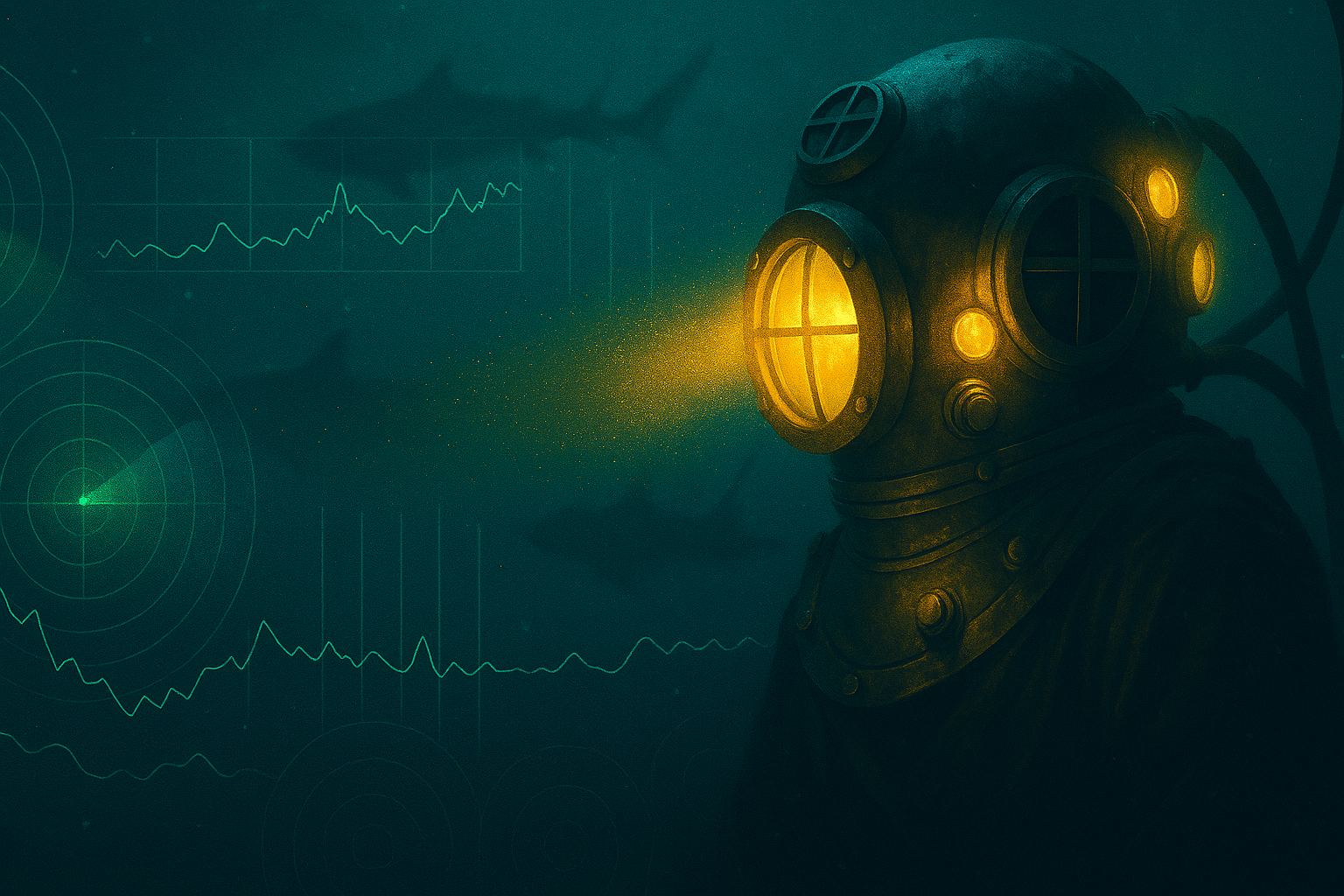
4Atmos combines fluid analysis, operating context, and prescriptive guidance so teams can act before small issues become major events.
"Operators trust what they can see. But the earliest witness to mechanical failure is almost always invisible."
How we turn existing data into preventive action.
We integrate with the information you are already collecting, run it against thousands of known failure signatures, and output specific next steps.
Collect
Start with fluid analysis, oil samples, and operating information already available across your fleet or facility.
Detect
Compare incoming data against known signatures, historical patterns, and relevant operating context.
Rank
Determine which changes are background noise, which are stable, and which indicate a rapidly developing failure condition.
Direct
Provide practical next steps for inspection, repair, continued monitoring, or maintenance deferral where appropriate.
Prevent
Enable earlier intervention and better maintenance timing before an asset causes operational disruptions.
Built for complex operations with critical assets.
4Atmos operates where equipment failure directly impacts uptime, cost, service reliability, and safety. The model translates condition data into action across fleets with little tolerance for surprise failure.
Rail
Prevent in-service failures across traction, prime mover, compressor, HEP, and auxiliary systems.
Bus
Identify developing issues in engines, transmissions, compressors, and support systems before road failures occur.
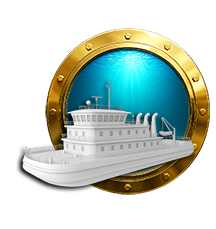
Marine
Monitor propulsion, generators, compressors, and auxiliary equipment to protect uptime in demanding environments.
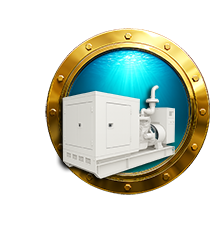
Power Systems
Detect early-stage issues in generators, engines, and supporting equipment before they become outages.

Oil & Gas
Track wear, contamination, and failure conditions across engines, pumps, compressors, and production assets.
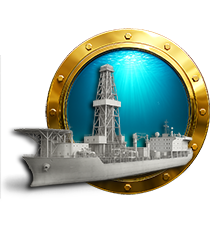
Offshore
Provide earlier warning in remote, high-consequence environments where equipment interruptions are costly.
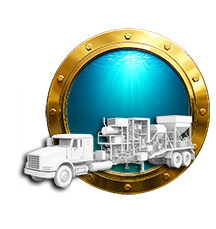
Field Services
Support frac pumps, gas compressors, engines, and power systems under load with earlier decision support.
Mining
Protect production equipment from developing failure conditions that threaten uptime and throughput.

Subway
Monitor traction, braking, gearbox, compressor, and auxiliary systems to maintain schedule reliability and safety.
Light Rail
Detect early-stage issues in traction, gearbox, compressor, and auxiliary systems for reliable urban service.
Better decisions at every level of operations.
4Atmos gives your entire organization access to the same condition signal at the same time. This reduces fragmented interpretation and ensures everyone is acting on the same facts.
For Maintenance
Know exactly what to inspect, repair, monitor, or defer next to keep assets available and eliminate trial-and-error troubleshooting.
For Leadership
See exactly where operational risk exists across the fleet and allocate your resources based on real condition, not assumptions.
For Finance
Reduce costly exposure to unplanned failures, support complex warranty claims, and confidently improve asset-life planning.